P/N RD0015H1600JBC: Vintage Cessna Electrical Component
P/N RD0015H1600JBC: Vintage Cessna Electrical Component
Blog Article
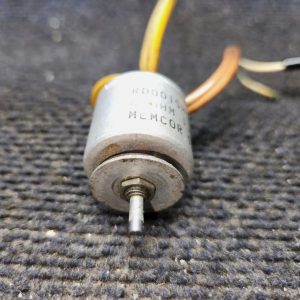
P/N RD0015H1600JBC provides aircraft owners, maintenance organizations, restoration specialists, and aviation parts buyers with an identifiable electrical control component for an appropriately verified Cessna 172F cockpit lighting installation.
The Cessna 172F Rheostat can support cockpit illumination adjustment, while Cessna 172F Lighting Rheostat and Cessna 172F Panel Light Rheostat descriptions should not imply compatibility with every Cessna panel configuration.
A Cessna 172F Cockpit Dimmer may function as a Cessna 172F Instrument Light Control, while a Cessna Instrument Panel Rheostat should match the intended wiring and electrical load.
Accurate component terminology supports relevant SEO while preserving technical clarity and responsible installation planning.
Cessna 172F Electrical Parts can include the rheostat, wiring, terminals, connectors, circuit protection, lamps, panel hardware, and a compatible control knob.
Why the Exact Rheostat Part Number Matters
Complete part-number verification reduces unsuitable purchases and electrical troubleshooting delays.
Any manufacturer logo, electrical rating, production code, serial marking, repair label, or donor-aircraft information should remain associated with the component.
Rheostat Shaft and Knob Compatibility
The shaft diameter, length, shape, flat, spline, retaining method, and panel clearance should be measured before selecting a knob.
Improvised drilling, adhesive bonding, force-fitting, or overtightening can damage the shaft and reduce future repair options.
How a Cessna 172F Rheostat Controls Lighting
Some cockpit lighting systems may use additional switches, resistors, transformers, wiring, grounds, or circuit-protection devices.
Professional electrical inspection supports dependable Cessna Cockpit Lighting Control.
Choosing the Correct Panel Light Rheostat
The offered component should be compared with the removed rheostat, wiring diagram, panel opening, shaft style, and electrical specifications.
Terminals should not be rearranged or bridged casually to make an unsuitable rheostat function.
Assessing a Used Cockpit Dimmer
The shaft should rotate smoothly through its intended travel without excessive looseness, binding, roughness, or unexpected movement.
Professional physical inspection supports reliable Cessna Instrument Panel Rheostat installation.
Inspecting Rheostat Terminals and Wiring
Terminal arrangement should be photographed and documented before the original component is disconnected.
Improvised jumper wires or substituted terminals can change circuit operation and introduce additional failure points.
Rheostat Resistance and Continuity Testing
A low-current meter test can reveal basic electrical behavior but may not establish performance under the installed lighting load.
A successful bench test does not independently establish aircraft installation eligibility or current serviceability.
Panel Light Control Failure Symptoms
Common symptoms can include flickering, dead spots, limited adjustment, sudden brightness changes, complete lighting loss, excessive heat, or inconsistent operation.
System-level diagnosis supports a dependable Cessna 172F Panel Light Rheostat repair.
Restoring a Classic 172F Cockpit
Restorers may seek the correct housing, shaft, mounting style, knob design, panel location, and control labeling.
Professional restoration supports both presentation and practical cockpit operation.
Managing Electrical Parts Inventory
A rheostat replacement may require a compatible knob, mounting nut, washer, wiring terminals, connectors, lamps, circuit protection, labels, and panel hardware.
Donor-aircraft history may provide context but does not establish present serviceability.
Restoring an Aircraft Lighting Control
Repair should not be selected solely because an original component is difficult to replace.
The repaired component should be tested through its full range before installation.
Rheostat Purchase Considerations
Components with clear donor-aircraft information, current photographs, and transparent test descriptions are easier for professional buyers to evaluate.
Unsupported direct-fit, guaranteed dimming, universal compatibility, or airworthiness claims should be avoided.
Inspecting the Rheostat Before Purchase
The buyer should obtain enough information for qualified aviation more info maintenance personnel to evaluate the component before purchase.
- Request detailed photographs of every marking, terminal, mounting thread, shaft surface, housing area, attached wire, repair, and included component.
- Inspect the component for corrosion, heat discoloration, burned terminals, cracked insulation, bent shaft, damaged threads, loose housing, rough movement, contamination, and previous repairs.
- Require packaging that protects the shaft, mounting threads, terminals, identification markings, attached wiring, and housing from bending, impact, moisture, or abrasion.
Safe Handling of RD0015H1600JBC
Professional packaging helps preserve the physical condition of the Aircraft Panel Light Dimmer.
Test records and identification information should remain associated with the component.
Wiring a Cessna Cockpit Dimmer
Every wire and terminal should be identified and documented before removal.
The knob should attach securely without restricting the rheostat’s full control range.
P/N RD0015H1600JBC.
Long-Term Rheostat Care
The component should receive attention after electrical faults, smoke, overheating, moisture exposure, panel work, wiring repair, or intermittent lighting behavior.
Preventive maintenance protects both the rheostat and surrounding aircraft electrical systems.
Buying a Cessna Cockpit Dimmer
The Cessna 172F Rheostat (No Knob)
Aviation maintenance personnel should evaluate the rheostat before repair, testing, wiring, installation, or operational release.
Whether buyers need a Cessna 172F Instrument Light Control, Cessna Instrument Panel Rheostat, Cessna Cockpit Lighting Control, or Aircraft Lighting Rheostat, circuit-specific compatibility should be verified.
With responsible purchasing, part-number research, controlled testing, secure mounting, and preventive electrical maintenance, the rheostat can remain a valuable cockpit asset.
Report this page